Wisdom toothaches can be extremely painful and disruptive. These third molars usually emerge between the ages of 17 and 25 and often bring discomfort, swelling, or infection due to limited space in the mouth or improper alignment. Finding the best remedy for wisdom toothache can be essential to restoring comfort and maintaining oral health.
This comprehensive guide explores the top home and professional remedies for wisdom toothache, what causes the pain, when to seek dental help, and how to prevent recurring discomfort.
Understanding Wisdom Tooth Pain
What Causes Wisdom Toothaches?
The discomfort from a wisdom tooth often stems from one or more of the following issues:
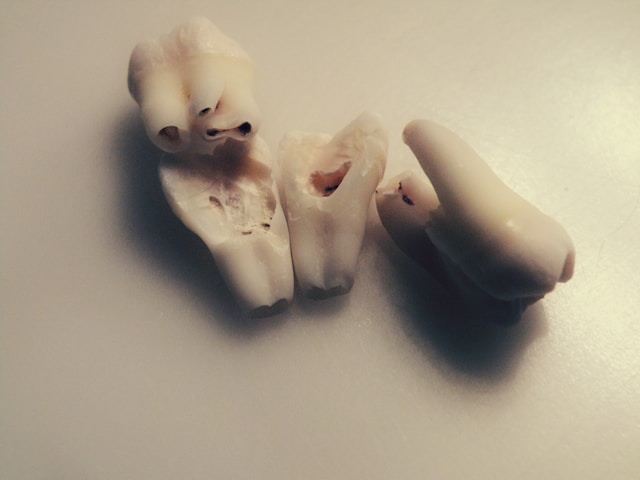
- Impacted tooth: A tooth that doesn’t fully emerge due to lack of space.
- Infection or inflammation: Caused by food and bacteria trapped under the gum.
- Tooth decay: Due to poor access and hygiene around the wisdom teeth.
- Gum irritation: Resulting from pressure or swelling in the surrounding tissues.
- Cysts: Fluid-filled sacs that can damage nearby teeth and bone.
Recognizing the source of the pain is the first step to finding the best remedy for wisdom toothache.
Top Home Remedies for Wisdom Toothache
For individuals searching for natural and immediate comfort, these remedy for tooth pain wisdom tooth options offer relief before a dental appointment.
1. Salt Water Rinse
Why it works: Salt has antibacterial properties that help reduce inflammation and clean the affected area.
How to use:
Mix 1 teaspoon of salt into a glass of warm water and rinse the mouth thoroughly for 30 seconds. Repeat 2–3 times daily.
2. Cold Compress
Why it works: Reduces swelling and numbs the area, providing temporary relief.
How to use:
Apply an ice pack wrapped in a cloth to the outside of the cheek for 15–20 minutes. Repeat every few hours as needed.
3. Clove Oil
Why it works: Cloves contain eugenol, a natural anesthetic and antibacterial agent.
How to use:
Soak a cotton ball in clove oil and apply it directly to the sore tooth and gums. Repeat up to three times per day.
4. Garlic Paste
Why it works: Garlic has antimicrobial and pain-relieving properties.
How to use:
Crush a fresh garlic clove to make a paste and apply it to the painful area. Rinse thoroughly after 15 minutes.
5. Peppermint Tea Bags
Why it works: Peppermint has numbing properties and reduces inflammation.
How to use:
Let a tea bag cool after steeping and place it on the aching area for 20 minutes.
6. Hydrogen Peroxide Rinse
Why it works: Kills bacteria and helps reduce plaque buildup.
How to use:
Mix equal parts 3% hydrogen peroxide with water. Swish in the mouth for 30 seconds, then rinse with water. Use no more than once daily.
Over-the-Counter Pain Relievers
1. Ibuprofen or Acetaminophen
Non-prescription medications can be highly effective in managing wisdom toothache symptoms.
- Ibuprofen (Advil, Motrin) reduces inflammation and pain.
- Acetaminophen (Tylenol) targets the pain directly, but does not reduce inflammation.
2. Oral Anesthetics
Products like benzocaine (Orajel) offer temporary numbing when applied to the gums. While effective for short-term use, they should not be used for extended periods without dental supervision.
When to See a Dentist
While these wisdom tooth ache remedies can provide temporary relief, persistent or worsening pain may signal an issue that requires professional attention. Seek a dentist immediately if:
- Pain lasts longer than 48 hours
- There’s swelling in the face or jaw
- Difficulty opening the mouth or swallowing
- Fever or foul taste in the mouth
A dental professional may recommend:
- Antibiotics if there’s an infection
- Drainage of abscesses
- Wisdom tooth extraction for impacted or decayed teeth
Professional Dental Remedies for Wisdom Toothache
For those looking for long-term solutions, dental treatments are the most reliable remedies for wisdom toothache. Depending on the diagnosis, options may include:
1. Deep Cleaning and Irrigation
If food or bacteria are trapped beneath the gum flap, cleaning the area can relieve pain and reduce infection risk.
2. Wisdom Tooth Extraction
If the tooth is impacted or causing frequent issues, extraction may be the best remedy. Modern extraction techniques are minimally invasive, with most patients recovering in a few days.
3. Prescription Medication
Dentists may prescribe stronger pain relief or antibiotics to manage infection and inflammation.
How to Prevent Wisdom Tooth Pain
Preventing future discomfort is equally important as treating the current pain. The following tips can reduce the risk of developing a wisdom toothache:
- Brush and floss daily, especially near the back molars.
- Rinse with antibacterial mouthwash to reduce bacterial buildup.
- Avoid hard or sticky foods that could irritate the gums.
- Schedule regular dental checkups to monitor tooth development.
- Follow up on dentist recommendations for early wisdom tooth extraction if needed.
Long-Term Outlook
While not every wisdom tooth causes problems, many people in the USA experience discomfort due to the limited space in the jaw or misalignment. Prompt care, both at home and from a dental professional, can minimize the pain and avoid complications like infections, cysts, or gum disease.
Those searching for the best remedy for wisdom toothache will find that the most effective treatment often combines short-term home care with long-term professional solutions.
Also read: How to Stop Broken Tooth Pain: Effective Remedies & Professional Advice
FAQs – Best Remedy for Wisdom Toothache
Q1. What is the fastest remedy for wisdom toothache?
A cold compress combined with ibuprofen usually offers the fastest relief. Clove oil is also a strong natural option for instant pain relief.
Q2. Can wisdom tooth pain go away on its own?
Mild pain may resolve temporarily, but underlying issues like impaction or infection usually require treatment.
Q3. How long does wisdom tooth pain last?
Without treatment, the pain can last several days or recur frequently. With proper care, symptoms usually subside within a few days to a week.
Q4. Are home remedies enough to treat wisdom tooth pain?
Home remedies help reduce pain, but they do not address the root cause. Persistent symptoms should be evaluated by a dentist.
Q5. When should wisdom teeth be removed?
If the teeth are impacted, causing repeated infections, damaging other teeth, or creating alignment issues, removal is typically recommended.
Conclusion: Finding the Best Remedy for Wisdom Toothache in the USA
The best remedy for wisdom toothache depends on the cause, the severity of the symptoms, and the individual’s dental health. Home remedies like salt water rinses, clove oil, and over-the-counter pain relievers can offer short-term comfort. However, for lasting relief, professional dental care remains the most reliable solution.
Anyone in the United States experiencing recurring wisdom tooth pain should consult a qualified dentist to explore personalized treatment options. Early intervention not only relieves pain but also prevents serious complications in the future.
Disclaimer:
This article is for informational purposes only and does not constitute medical advice. Always consult a licensed dental professional for diagnosis and treatment tailored to your specific condition.