
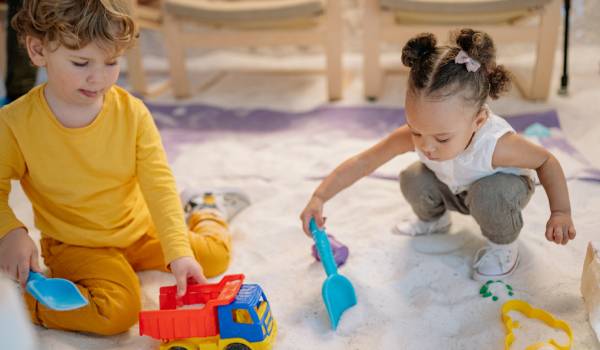
There are endless opportunities for growth, learning, and connection within each home. With home-based ABA therapy, these moments, such as conversations at meals, playtime, or morning routines, are now opportunities for children to learn life skills. By incorporating therapy into the comfort and familiarity of the home, families and therapists work together to make progress beyond the structured therapy session.
What Is Home-Based ABA Therapy?
Home-based ABA therapy is the direct application of the principles of Applied Behavior Analysis (ABA) in the natural environment of the child. The therapy is not clinic or center-based but rather is done in conjunction with the family in the home itself, which is where the child is anyway most of the time.
This makes the experience of the therapy more like something that occurs in a natural environment and less like a formalized experience. All activities, such as brushing teeth and sharing toys, become opportunities to practice new behaviors and skills in the real world. The home environment allows children to see the connection between what they are learning and the real world around them.
Why the Home Environment is Important
Children are safest and happiest in the home environment. This is where they feel the most comfortable and secure. This is why they are most receptive to learning and discovering new things. In the home environment, therapists are able to observe how children interact with their family, toys, and activities, and develop strategies that are specifically tailored to that family.
Parents are also a part of this process. Because therapy is done in the home environment, parents are able to learn and be a part of every aspect of the therapy process. They get to see how strategies such as prompting, positive reinforcement, and play can make a world of difference in communication, attention, and cooperation.
Turning Daily Activities into Learning Experiences
One of the most significant benefits of home-based ABA therapy is the ability to turn daily activities into learning experiences. The entire day can be turned into a learning experience to improve skills such as responding to instructions, communicating needs, turning, and responding to changes.
Here’s how therapists can turn daily activities into learning experiences:
- Meal Time: Meal times are the best times to work on communication, patience, and social skills. During meal times, therapists can teach children to make polite requests, practice good table manners, and stay with the activity until its completion.
- Play Time: Play time is the best time to work on creativity, teamwork, and emotional intelligence. During play time, therapists can teach children to share toys, take turns, and share ideas through words or actions.
- Morning Routines: Activities such as dressing, brushing teeth, or getting ready for school are great ways to teach independence and responsibility. To address this issue, therapists use step-by-step strategies to teach children to be more organized and driven towards morning routines.
- Household Chores: Folding laundry, putting the table setting out, or watering plants are great ways to teach responsibility and following directions. These tasks give children the chance to listen carefully to directions, stay on task, and feel a sense of accomplishment from what they started.
- Community Outings: As the child advances, therapists can start to incorporate small community outings to familiar areas such as the park, grocery store, or playground. These tasks give children the chance to use communication, cooperation, and social skills in a real-world setting.
Also read: 9 Essential Skills Built Through Autism & ABA Therapy in Peoria Illinois
Personalized Plans That Change and Grow
Every child is different, and every child has different needs, skills, and goals. This is why home-based ABA therapy begins with an assessment and a personalized plan. The therapist will develop personalized goals that focus on the areas that are most important to the child’s development, whether it is communication, behavior, or daily living skills.
The goals will change as the child changes. The therapist and the family will assess the progress and adjust to ensure that the child is developing in a positive way. The great thing about home-based ABA therapy is that the adjustments can be made and assessed right away.
The Role of Family Collaboration
The home-based model involves teamwork. Families are not passive viewers; they are active players. Since parents are trained to use strategies outside of therapy sessions, every interaction is an opportunity to reinforce good behaviors.
Coaches can provide parents with the confidence they need to continue the work outside of sessions by providing coaching, modeling, and feedback. This is important because weekly reinforcement maintains steady growth and a strong basis for success.
Advantages Beyond the Therapy Session
The advantages that can be gained from home-based ABA therapy are not only confined within the therapy sessions. Eventually, the family will be able to gain from the therapy in terms of communication, adaptability, and cooperation.
Some of the advantages include:
- Comfort and Familiarity: Children learn best in a comfortable and familiar setting.
- Consistency: The skills acquired during therapy are immediately used in everyday tasks, thus ensuring better retention.
- Flexibility: The therapy sessions can be structured around family activities, thus making it less stressful for the family to take part in the therapy sessions.
- Family Involvement: The family is an essential part of the learning process, thus bringing the family closer together.
- Real-Life Application: Since learning takes place in a real-life setting, children are able to apply what they have learned in a real-life setting outside the therapy room.
Laying the Foundation for a Lifetime of Learning
Home-based ABA therapy provides the foundation for a lifetime of learning for children. It is more than a solution to a problem; it is a chance for children to lay the foundation for a lifetime of learning and continue to grow as they grow into adulthood.
Every positive experience, no matter how small, is a launching pad for building self-esteem and laying the foundation for future success. The home is becoming a place not only of comfort but of empowerment.
A Collaboration That Encourages Development
Families select a collaboration that is based on trust, understanding, and teamwork when they select home-based ABA therapy. What begins as a systematic approach to addressing specific goals and behavior plans quickly evolves into something much deeper—a journey of development and understanding.
Whether it is a game, a laugh, or a routine, every experience has the potential to be a time of development and connection. The experiences of everyday life can become the stepping stones to a brighter and more confident future when families and therapists collaborate.
Conclusion
Home-based ABA therapy is the art of making the ordinary, extraordinary. By focusing on the natural environment and experiences, it enables children to learn, families to grow, and homes to be places of real progress. With patience, partnership, and positivity, every day can be a day of building skills that will last a lifetime.