
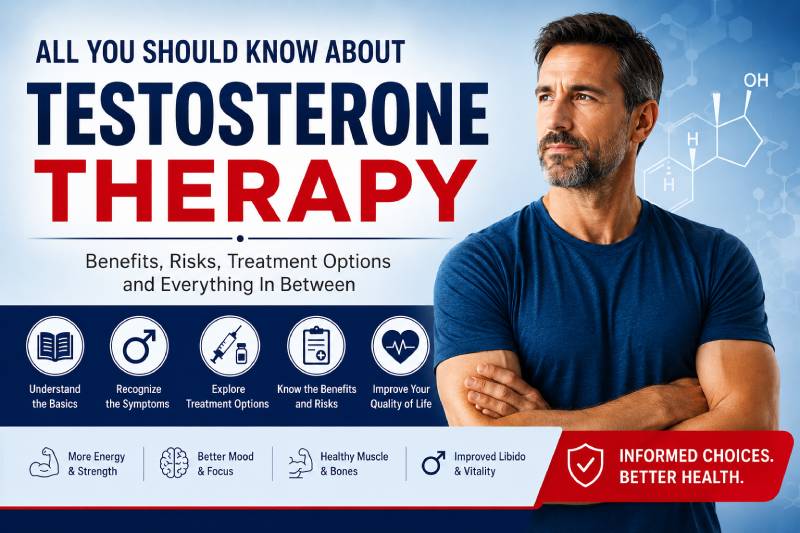
Hormones play an essential role in maintaining overall health, and testosterone is one of the most important hormones in the human body. While it is commonly associated with men, testosterone also exists in women in smaller amounts and contributes to muscle strength, bone health, mood, and overall well-being.
As people age or experience certain medical conditions, testosterone levels may decline, leading to a variety of physical and emotional symptoms. This often raises questions about available treatment options, their effectiveness, and whether they are suitable for everyone.
This guide explores everything individuals should know about testosterone therapy, including how it works, who may benefit from it, potential risks, expected results, and lifestyle habits that support healthy hormone levels.
What is Testosterone Therapy?
Testosterone therapy is a medically supervised treatment designed to restore testosterone levels in individuals whose hormone levels are significantly lower than the normal range due to aging, medical conditions, or hormonal disorders.
The treatment aims to relieve symptoms caused by testosterone deficiency while improving overall quality of life. Depending on individual needs, healthcare providers may recommend different forms of treatment such as injections, gels, skin patches, tablets, or implanted pellets.
Unlike supplements marketed online, medically prescribed testosterone replacement therapy is based on proper diagnosis, laboratory testing, ongoing monitoring, and personalized treatment plans.
The goal is not simply to increase hormone levels but to restore hormonal balance safely while minimizing risks.
Why Is Testosterone Important?
Testosterone influences many essential functions throughout the body.
Healthy testosterone levels help maintain:
- Muscle strength
- Bone density
- Healthy red blood cell production
- Sexual desire
- Erectile function
- Energy levels
- Mental focus
- Mood stability
- Fat distribution
- Hair growth
- Physical performance
When testosterone levels decline significantly, multiple body systems may be affected simultaneously.
What Causes Low Testosterone?
Several factors may contribute to declining testosterone levels.
1. Aging
Natural hormone production gradually decreases with age. This process usually begins after the age of 30 and continues over time.
2. Medical Conditions
Certain health conditions can interfere with hormone production, including:
- Diabetes
- Obesity
- Chronic kidney disease
- Liver disease
- Pituitary gland disorders
- Thyroid disorders
- Genetic conditions
3. Testicular Injury
Injuries affecting the testes may reduce the body’s ability to produce sufficient testosterone.
4. Cancer Treatments
Chemotherapy and radiation therapy may temporarily or permanently reduce testosterone production.
5. Certain Medications
Long-term use of some medications, including opioids and corticosteroids, may lower hormone levels.
6. Lifestyle Factors
Poor daily habits can also contribute to hormone imbalance, including:
- Lack of sleep
- Chronic stress
- Poor nutrition
- Physical inactivity
- Excessive alcohol consumption
- Smoking
Signs and Symptoms of Low Testosterone
Symptoms often develop gradually and may initially be mistaken for normal aging.
Common symptoms include:
Physical Symptoms
- Persistent fatigue
- Reduced muscle mass
- Increased body fat
- Lower physical strength
- Reduced bone density
- Hot flashes in some cases
- Decreased body hair
Sexual Symptoms
- Reduced libido
- Difficulty achieving or maintaining erections
- Reduced sexual satisfaction
- Lower sperm production
Emotional Symptoms
Hormonal imbalance can also affect emotional health.
Possible symptoms include:
- Irritability
- Depression
- Anxiety
- Mood swings
- Reduced motivation
- Low self-confidence
Cognitive Symptoms
Some individuals report:
- Poor concentration
- Brain fog
- Difficulty remembering information
- Reduced mental clarity
It is important to remember that these symptoms alone do not confirm low testosterone. Many other health conditions can produce similar signs, making proper medical evaluation essential.
Who May Need Testosterone Therapy?
Not everyone experiencing fatigue or reduced energy requires hormone treatment.
Healthcare professionals generally recommend therapy only after confirming consistently low testosterone levels through blood tests alongside noticeable symptoms.
Candidates may include individuals with:
- Diagnosed testosterone deficiency
- Pituitary disorders
- Testicular disorders
- Hormonal diseases
- Certain inherited conditions
- Treatment-related hormone deficiency
People experiencing only age-related hormonal changes without significant symptoms may not always benefit from therapy.
A healthcare provider carefully evaluates medical history, laboratory findings, lifestyle factors, and overall health before recommending treatment.
How Is Low Testosterone Diagnosed?
Accurate diagnosis requires more than a single blood test.
Healthcare providers typically follow several steps.
Medical History
The evaluation begins by discussing:
- Symptoms
- Medical conditions
- Current medications
- Previous surgeries
- Family history
- Lifestyle habits
Physical Examination
A physical assessment helps identify possible signs of hormone deficiency.
Blood Testing
Blood samples are generally collected during the morning when testosterone levels are naturally highest.
Multiple tests may be performed to confirm consistent hormone deficiency.
Additional laboratory tests may also evaluate:
- Thyroid function
- Blood sugar
- Cholesterol
- Liver function
- Kidney function
- Blood cell counts
Additional Testing
Depending on the suspected cause, imaging or hormone-specific evaluations may also be recommended.
Why Professional Diagnosis Matters
Many products advertised as “testosterone boosters” promise fast results without testing.
However, increasing testosterone without identifying the underlying cause may create unnecessary health risks.
Proper diagnosis ensures treatment addresses the actual problem rather than masking symptoms.
Types of Testosterone Therapy
Healthcare providers recommend different treatment methods based on an individual’s medical condition, lifestyle, personal preference, and treatment goals. Each option has its own advantages and considerations.
1. Testosterone Injections
Injections are one of the most commonly prescribed forms of testosterone therapy. Depending on the medication, they may be administered every one to four weeks.
Advantages:
- Cost-effective
- Provides reliable hormone absorption
- Suitable for long-term treatment
Things to Consider:
- Hormone levels may fluctuate between doses.
- Some individuals may need assistance with administration.
2. Topical Gels
These gels are applied directly to clean, dry skin each day.
Advantages:
- Easy to use
- Provides more consistent hormone levels
- Needle-free option
Things to Consider:
- Skin contact with others should be avoided until the gel has fully dried.
- Daily application is required.
3. Skin Patches
Patches gradually release testosterone through the skin over a 24-hour period.
Advantages:
- Steady hormone delivery
- Convenient once-daily application
Things to Consider:
- Some users experience skin irritation.
4. Implantable Pellets
Small pellets are placed beneath the skin during a minor medical procedure and release testosterone over several months.
Advantages:
- Long-lasting
- No daily medication required
Things to Consider:
- Requires a medical procedure for insertion and replacement.
5. Oral or Buccal Forms
Certain formulations are placed inside the mouth or taken orally under medical supervision.
These options are suitable for some individuals but may not be appropriate for everyone.
Benefits of Testosterone Therapy
When prescribed appropriately and monitored by a qualified healthcare professional, treatment may offer several health benefits.
Improved Energy Levels
Many individuals report feeling less fatigued and more energetic after hormone levels return to a healthy range.
Increased Muscle Mass
Testosterone plays an important role in muscle development. Combined with resistance training and proper nutrition, therapy may help improve lean muscle mass.
Better Bone Health
Healthy testosterone levels contribute to maintaining bone strength and may reduce the risk of osteoporosis in some individuals.
Improved Mood
Some people experience improvements in mood, motivation, and overall emotional well-being after treatment.
Enhanced Sexual Health
Treatment may help improve:
- Sexual desire
- Erectile function (when hormone deficiency is the cause)
- Sexual satisfaction
Better Cognitive Function
Some individuals notice improvements in:
- Mental clarity
- Concentration
- Focus
- Memory
Results vary from person to person and should not be considered guaranteed.
Risks and Possible Side Effects
Like any medical treatment, testosterone therapy has potential risks.
Possible side effects include:
- Acne
- Oily skin
- Fluid retention
- Breast tenderness
- Sleep disturbances
- Increased red blood cell count
- Mood changes
- Swelling in the legs
Some individuals may also experience reduced fertility because external testosterone can decrease natural sperm production.
This is an important consideration for anyone planning to have children.
Who Should Avoid Testosterone Therapy?
Treatment may not be appropriate for everyone.
Healthcare providers carefully evaluate individuals with:
- Prostate cancer
- Breast cancer
- Severe untreated sleep apnea
- High red blood cell counts
- Certain heart conditions
- Uncontrolled medical illnesses
A thorough medical assessment helps determine whether treatment is appropriate.
What Happens During Treatment?
Regular follow-up appointments are an important part of successful hormone management.
Healthcare providers commonly monitor:
- Testosterone levels
- Blood pressure
- Red blood cell count
- Liver function
- Cholesterol
- Prostate health (when appropriate)
- Overall symptom improvement
Monitoring allows treatment to be adjusted if necessary while reducing the risk of complications.
How Long Does It Take to See Results?
Results vary depending on age, overall health, hormone levels, and the chosen treatment method.
A general timeline may look like this:
Within 3–6 Weeks
- Improved energy
- Better mood
- Increased motivation
Within 2–3 Months
- Improved sexual desire
- Better physical performance
- Enhanced mental focus
Within 3–6 Months
- Increased muscle strength
- Reduction in body fat (when combined with exercise)
- Improved endurance
After 6–12 Months
- Continued improvements in bone health
- Long-term stabilization of hormone levels
- Sustained symptom relief for many individuals
Consistent follow-up is essential throughout the treatment journey.
Lifestyle Habits That Support Healthy Testosterone Levels
Medical treatment works best when paired with healthy daily habits.
Eat a Balanced Diet
A nutrient-rich diet should include:
- Lean proteins
- Healthy fats
- Fruits
- Vegetables
- Whole grains
- Zinc-rich foods
- Vitamin D sources
Exercise Regularly
Strength training and regular physical activity may naturally support hormone health while improving muscle mass and overall fitness.
Prioritize Quality Sleep
Most hormone production occurs during sleep.
Adults should aim for seven to nine hours of quality sleep each night whenever possible.
Manage Stress
Long-term stress increases cortisol, a hormone that may negatively affect testosterone production.
Helpful stress-management techniques include:
- Meditation
- Walking
- Deep breathing
- Yoga
- Spending time outdoors
Maintain a Healthy Weight
Excess body fat has been associated with lower testosterone levels.
Maintaining a healthy weight through nutrition and exercise supports overall hormone balance.
Common Myths About Testosterone Therapy
Myth 1: It Is Only for Older Men
Fact: Hormone deficiency can occur at different ages due to medical conditions, injuries, or hormonal disorders.
Myth 2: Higher Testosterone Is Always Better
Fact: Excessively high hormone levels can increase health risks and should never be pursued without medical supervision.
Myth 3: Therapy Works Overnight
Fact: Improvements usually occur gradually over several weeks or months.
Myth 4: Natural Supplements Always Work
Fact: Many over-the-counter products lack strong scientific evidence and should not replace proper medical evaluation.
Frequently Asked Questions
What is testosterone therapy?
It is a medically supervised treatment designed to restore healthy testosterone levels in individuals with confirmed hormone deficiency.
Who is a good candidate?
People experiencing symptoms of low testosterone with laboratory-confirmed hormone deficiency may benefit after evaluation by a healthcare provider.
Is testosterone therapy safe?
When prescribed appropriately and monitored regularly, it is generally considered safe for suitable candidates. Every treatment plan should be individualized.
Does treatment improve muscle strength?
Many individuals experience improved muscle mass and strength, particularly when combined with regular resistance exercise and a balanced diet.
Can testosterone therapy affect fertility?
Yes. It may reduce sperm production, making fertility planning an important discussion before treatment begins.
Is lifelong treatment necessary?
Not always. The duration depends on the underlying cause of low testosterone and should be determined by a healthcare provider.
Can lifestyle changes increase testosterone naturally?
Healthy eating, regular exercise, quality sleep, stress management, and maintaining a healthy weight may help support natural hormone production.
Final Thoughts
Testosterone plays a vital role in physical health, emotional well-being, and overall quality of life. When hormone levels fall below the normal range, individuals may experience symptoms that affect their daily activities, relationships, and long-term health.
Testosterone therapy can be an effective treatment for people with medically confirmed hormone deficiency. However, it is not a one-size-fits-all solution. Proper diagnosis, individualized treatment planning, regular monitoring, and healthy lifestyle habits are essential for achieving the best outcomes while minimizing potential risks.
Anyone experiencing persistent symptoms associated with low testosterone should seek evaluation from a qualified healthcare professional rather than relying on self-diagnosis or unverified supplements. An evidence-based approach ensures that treatment decisions are safe, appropriate, and tailored to individual health needs.
Medical Disclaimer
Disclaimer: This article is intended for educational and informational purposes only and should not be considered medical advice, diagnosis, or treatment. Every individual has unique health needs, and symptoms associated with low testosterone may have multiple underlying causes. Readers should consult a qualified physician, endocrinologist, or licensed healthcare professional before starting, stopping, or changing any hormone-related treatment. Never use prescription testosterone products or hormone supplements without proper medical evaluation and ongoing supervision.