
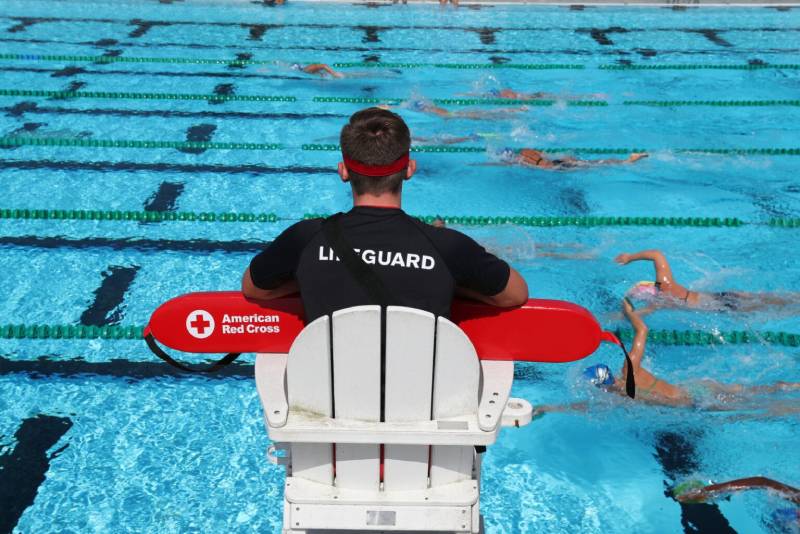
A lifeguard course is a structured training program designed to prepare individuals to prevent, recognize, and respond to aquatic emergencies. Whether conducted at swimming pools, beaches, water parks, or resorts, lifeguard training equips participants with life-saving skills that are essential for public safety. With growing interest in water-based recreation worldwide, lifeguard certification has become both a valuable qualification and a respected professional pathway.
This article explains what a lifeguard course includes, who can enroll, the skills you gain, and why it is important perspective.
What Is a Lifeguard Course?
A lifeguard course is a professional training program that teaches water rescue techniques, CPR (Cardiopulmonary Resuscitation), first aid, and emergency response procedures. The main goal is to ensure that lifeguards can act quickly and effectively in dangerous situations such as drowning, cardiac arrest, spinal injuries, or water-related accidents.
Most lifeguard courses combine theoretical lessons with practical, hands-on training in pools or open water environments. Trainees are assessed through physical endurance tests, swimming skills evaluations, and written exams before certification.
Also read: 10 Surefire Ways to Get Better at Lifeguard Near Me
Core Components of Lifeguard Training
A standard lifeguard course covers several essential areas:
1. Water Rescue Techniques
Participants learn how to approach, support, and safely remove distressed swimmers from water. This includes active and passive victim rescues, deep-water recovery, and use of rescue equipment like tubes and buoys.
2. CPR and First Aid
One of the most critical aspects of lifeguard training is CPR. Trainees practice chest compressions, rescue breathing, and automated external defibrillator (AED) use. First aid training includes treating cuts, fractures, shock, heat exhaustion, and other medical emergencies.
3. Surveillance and Prevention
Lifeguards are trained to identify early warning signs of distress in swimmers. Prevention is a key responsibility, as many accidents can be avoided through careful monitoring and proactive intervention.
4. Fitness and Swimming Skills
Physical fitness is essential. Candidates are usually required to swim long distances, perform timed rescues, and demonstrate stamina under pressure. Strong swimming ability ensures a lifeguard can perform rescues safely and efficiently.
5. Communication and Teamwork
Lifeguards often work in teams, especially in busy aquatic facilities. Effective communication using signals, whistles, and radio systems is taught to ensure coordinated emergency responses.
Who Can Join a Lifeguard Course?
Lifeguard courses are generally open to individuals who meet basic requirements such as:
- Minimum age (often 16–18 years depending on the program)
- Strong swimming ability
- Good physical health and stamina
- Basic understanding of first aid (preferred but not always required)
Some advanced courses may require prior certification or experience in swimming or rescue training.
Certification and Global Standards
Lifeguard certification is typically issued after successful completion of training and assessment. Many countries follow internationally recognized standards to ensure consistency in safety procedures.
For example, American Red Cross offers one of the most widely recognized lifeguard training programs. Their certification includes CPR, AED use, and emergency oxygen administration, ensuring lifeguards are prepared for real-world emergencies.
Certification usually remains valid for 2 to 3 years, after which refresher courses are required to maintain skills and update knowledge.
Career Opportunities After a Lifeguard Course
Completing a lifeguard course opens doors to several job opportunities, including:
- Pool lifeguard at hotels, gyms, and sports complexes
- Beach lifeguard at coastal areas
- Water park safety officer
- Swimming instructor assistant
- Rescue team member in recreational facilities
Many individuals also use lifeguarding as a stepping stone into careers in emergency services, paramedics, or sports coaching.
Benefits of Becoming a Lifeguard
There are several advantages to completing lifeguard training:
- Strong job demand in tourism and recreation sectors
- Development of life-saving and leadership skills
- Improved physical fitness and discipline
- Opportunity to work in dynamic environments
- Sense of responsibility and public service
Finalization
A lifeguard course is more than just a training program it is a commitment to protecting lives in aquatic environments. It combines physical ability, technical knowledge, and quick decision-making skills to prepare individuals for emergency situations. With globally recognized certification systems and structured training programs, lifeguarding remains a respected and essential profession.
Whether you are looking for a career in water safety or simply want to gain valuable life-saving skills, enrolling in a lifeguard course is a meaningful and impactful choice.